Change Your Life by Changing the Frame!

What would happen to your business, performance or life, if you could create a perspective that would lead to powerful and amazing results?

Every picture tells a story, don’t it…” ~ Rod Stewart

I know an artist. Not just any artist. An amazing artist. Oh, and she happens to be my wife, Ramona. She has an eye for what works and what doesn’t.

I watch her in her studio as she takes a blank canvas and, over time, transforms it into something magical (VictorianNoel). After what seems to be a zillion hours of work, she shows me what I believe is the final piece. I tell her it’s time to put it out to the world so others can share in its magic.

Instead, I hear these words, “It’s not finished yet. I need to put it in a frame.” So, I offer to run to the art store to quickly grab a frame for her latest piece. “No,” she says,

Picking the right frame makes all of the difference in the world.”

And she is right (as she usually is!). The frame she chooses can either make the picture look ‘okay’ or pop and come alive.

The frame matters.

It matters not only in art, it matters in every area of our life. How I choose to frame what I see or even believe makes all of the difference in the world.

A recent Harvard University 8-year study confirmed how critical it is how we frame things. In fact, they concluded that how we see a particular set of circumstances can be the difference between life and death.

The study included 30,000 people who reported having a lot of stress in their lives. This group had a 43% increased chance of dying prematurely.

But …

Overcoming Overthinking: Strategies for a Calmer Mind

As you probably know, overthinking can significantly get in the way of a relaxed and joyful life. You do not have to live this way, however. Here are 10 tips to help you move from being an overthinker to someone with a more calm and balanced mindset:

1. Catch Yourself – Identify Triggers: When do you start overthinking the most? Recognize situations, topics, or times when you tend to overthink. Keeping a journal to track these patterns can be beneficial. Jot these moments down so you can be ready to fight back next time.

2. Practice Mindfulness (Stay in the present): Meditation, deep breaths, even just focusing on your body – anything to bring yourself back to now. These techniques focus attention on the present moment and help stop your mind from getting stuck in a thought loop, promoting non-judgmental awareness of your thoughts.

3. Schedule Your Worries: Feeling overwhelmed? Give yourself a short, specific time each day to worry. Then, move on and enjoy your day. You can worry later if you really need to.

4. Challenge Thought Patterns: When overthinking arises, question the validity and helpfulness of your worries. Is that tiny, critical voice in your head telling you the truth, or just being dramatic? Challenge your negative thoughts and see if they actually hold up.

“That’s Just the Way I Am” Destroys Your Chance to Grow

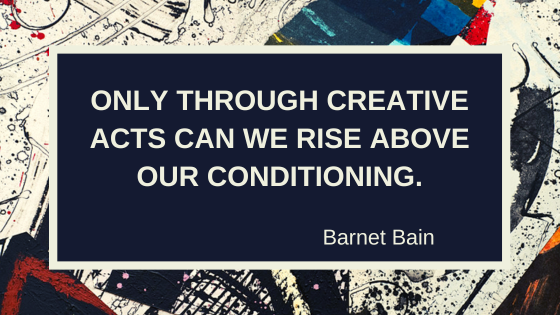
Each of us are products of genetics, past experiences and relationships that, when combined, lead to our unique personality and sense of self. Most clients that I coach, when I first meet them, say a version of, “That’s just the way I am.”

It is almost as if no matter how hard they try, or desire to change, they feel ‘stuck’ with years and years of being conditioned to think and act in certain ways and do not believe they can move past that conditioning.

I simply want to share with you that if that sounds like you, then you are not only telling yourself a devastating lie, but you are guaranteeing that you will never change, grow or become that fearless person you once were and now desire to be.

Today, I encourage you to change “That’s the way I am” to “That’s the way I have been, but it’s time for me to finally change.”

Commit to truly taking care of yourself through new acts of creation – fight for yourself, stop giving in to false lies that you say about your worth and learn to love that scared, inner child who, as an adult, has lost faith in creating a life that you desire.

It’s time to commit to the process of creative acts.

10 Tips for Anxiety-Free & Effective Presentations (New Video)

Whether you’re presenting in front of a large audience or a small group, giving a keynote address, pitching a business idea, delivering a classroom lecture or speaking at your church, the ability to engage and captivate your audience is crucial.

For some, it’s an opportunity to shine, but for others, it’s an anxiety-producing experience.

In this video I share 10 speaking presentation tips to help you leave a lasting impression and communicate your message with confidence.

Being a Leader … Without Anxiety

Whether you are a manager in your company, a leader in your church or, as an entrepreneur, lead a virtual team for your business, concerns about meeting targets, handling conflicts, and ensuring team cohesion can be overwhelming.

Although managing a team effectively is crucial for any leader, it often comes with its own set of fears. However, with the right strategies, you can manage your team with confidence and reduce stress and anxiety.

1. Understand Your Triggers

Understand what specifically triggers your stress. Is it the fear of dealing with difficult team members, not meeting deadlines or the pressure of making critical decisions that only you can make? Identifying these triggers can help you develop targeted strategies to address them.

2. Prioritize Clear Communication

Clear communication is essential in managing a team. Have you made it clear that each of your team members understand their roles, responsibilities, and expectations? Do you schedule (and keep) regular check-ins and open lines of communication to help prevent misunderstandings and keep everyone aligned? When your team is well-informed, it reduces your anxiety about potential miscommunications and errors.

3. Set Realistic Goals

Setting achievable goals is crucial for both your peace of mind and your team’s productivity. Unrealistic expectations lead to stress and burnout for everyone involved (including you!). Although it may seem obvious, break down larger projects into smaller, manageable tasks and celebrate milestones along the way, helping maintain momentum and reducing the pressure on you and your team members.

10 Steps to Conquer Interview Anxiety

If you have an upcoming job interview or a performance review, whether it is in-person or on a Zoom call, you probably are experiencing interview anxiety. We’ve all been there. But that pre-interview knot in your stomach doesn’t have to hold you back!

Here are 10 steps to transform interview anxiety into interview confidence:

  1. Know Your Worth: Before you walk into the interview room, virtual or online, remind yourself of your skills and experience. List your accomplishments and rehearse how you’d express them to showcase your value to the company.
  2. The Power of Preparation: Research the company, the position, and potential interview questions. The more prepared you are, the less anxiety will creep in. Practice your answers out loud – alone or with a friend – to refine your delivery.
  3. Utilize the Mirror: Practice answering questions while looking in the mirror. This helps with nonverbal communication – eye contact, posture, and confident body language. Projecting confidence externally can trick your brain into feeling more confident internally.
  4. Positive Self-Talk: Challenge those negative thoughts telling you you’ll mess up. Replace them with affirmations like “I am qualified” or “I am a strong communicator” or “I have earned a promotion.” Positive self-talk can be a powerful tool to combat interview anxiety. Listen for, and quiet, the “What if’s” with “I’ve got this.”
  5. Breathe and Relax: Feeling overwhelmed? Take slow, deep focused breaths. Practice progressive muscle relaxation techniques to release tension. There are many guided relaxation apps and online resources available.
  6. Dress for Success: Even though obvious, first impressions do matter! Dress professionally for the interview, in a way that makes you feel confident and comfortable. Looking polished can boost your self-esteem and project a sense of competence.
  7. Visualize Success: Imagine yourself delivering an excellent interview. Picture yourself answering questions thoughtfully, engaging with the interviewer, and feeling calm and collected. Visualization can prepare your mind for a positive interview experience. Click here for a free Visualization Guide.
  8. Arrive Early: Avoid the added stress of rushing in last minute. Plan to arrive early so you can settle in, collect your thoughts, and take a few more calming breaths.
  9. Focus on Connection: Interviews are a two-way street. While you want to make a good impression, remember you’re also evaluating the company culture and fit. Ask thoughtful questions about the role and the team.
  10. Celebrate Every Step: Whether you land the job or not, celebrate your accomplishment of going through the interview process. Each interview is a learning experience that helps you refine your skills and build confidence for the next one.

Remember, interview anxiety is common, but it doesn’t have to control or define you. With these strategies and a positive mindset, you can approach your next interview with confidence and leave a lasting impression.


P.S. Eliminate the guesswork of trying to overcome your fear, racing heart, fast breathing and anxious thinking on your own by learning more about how the Fearless for Life Academy can help you today.